
A chronicle of resilience, heritage, and the enduring spirit of the Yorta Yorta people along the banks of the Dhungala.
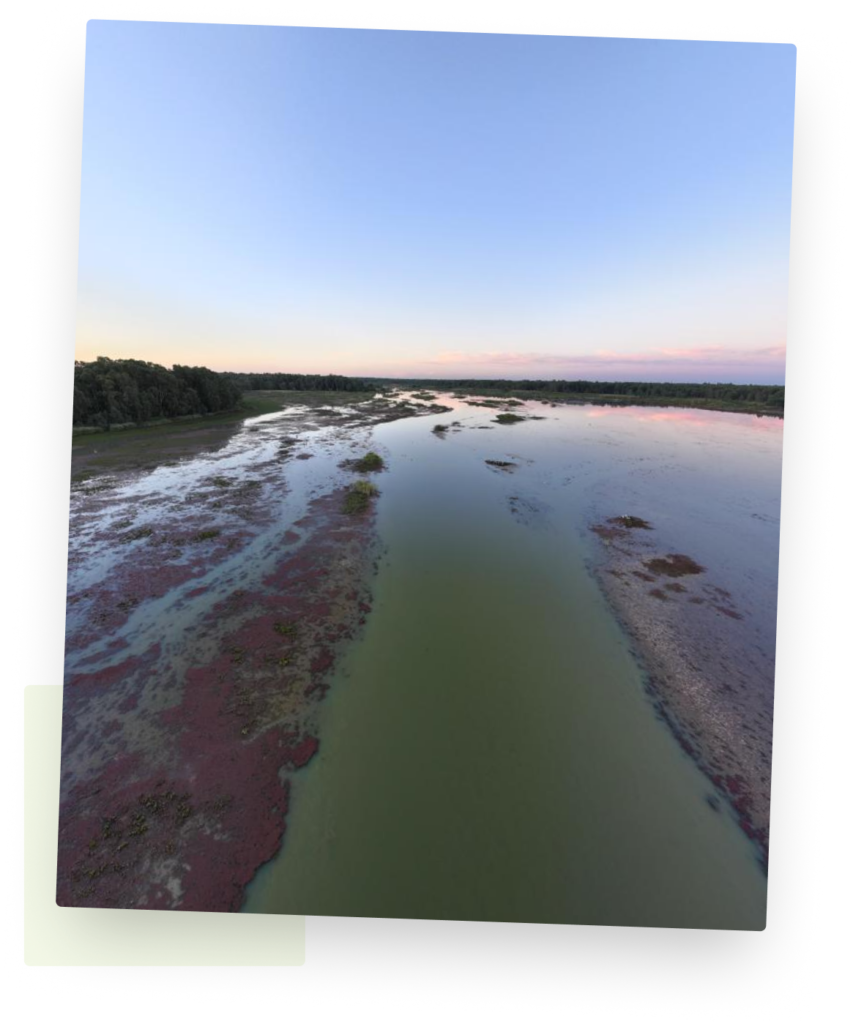
In the beginning, the Ancestral Spirits moved across the land, carving the deep veins of the earth. The Dhungala (Murray River) was birthed from the tracks of the Great Ancestral Serpent, leaving a life-giving legacy that has sustained the Yorta Yorta Nation for millennia. These waters are not merely a resource; they are our kin, our memory, and our strength.
Our society was built on a foundation of sophisticated Lore and Law. Every tree, every bend in the river, and every seasonal change dictated the rhythm of life. The elders held the knowledge of the land—a complex legal and social system that ensured balance and reciprocity between the people and Country. This law was never written on paper, yet it was engraved in the soul of every Yorta Yorta child.
The arrival of strangers brought a violent rupture to the harmony of the river lands. Fences were raised where none existed, and the free movement of our people was restricted. The introduction of foreign livestock and land clearing began a long period of ecological and cultural trauma. Yet, even in the shadow of displacement, the connection to Country remained unbroken.
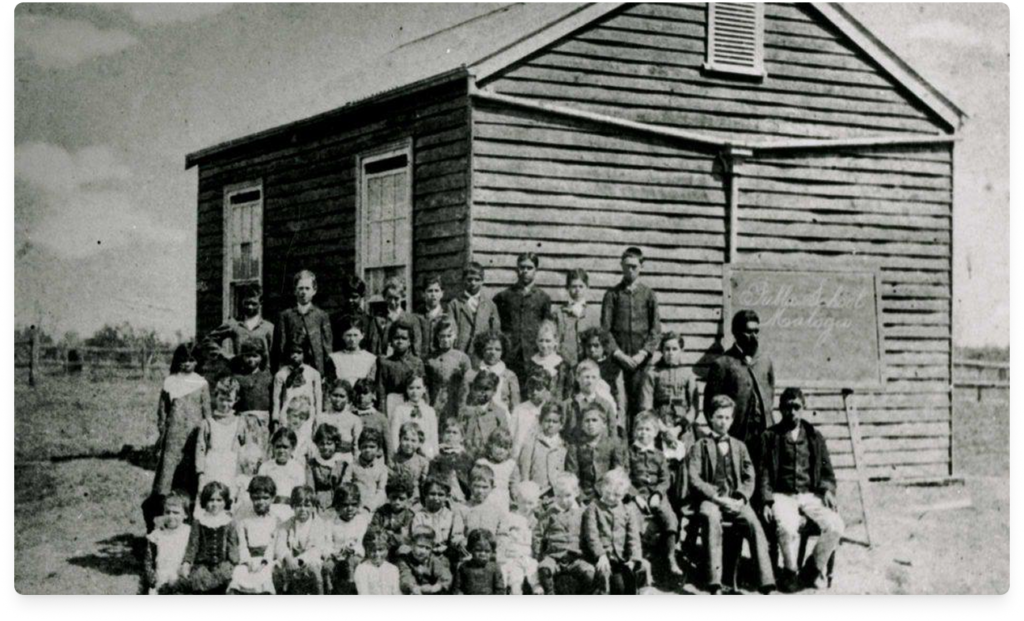
Maloga Mission was established on the banks of the Murray, serving as both a refuge and a place of confinement. Here, our ancestors navigated the complexities of mission life, blending their traditional knowledge with new ways of survival. It was a site of profound resilience, where the community began to formalize their political voice against the encroaching colonial administration.
Following the closure of Maloga, the people moved to Cummeragunja. This ‘home of our people’ became a powerhouse of Indigenous activism. Families farmed the land, built homes, and fostered a spirit of independence that threatened the authorities. It was a place of deep communal pride and the cradle of modern Aboriginal political movement in Australia.
In 1939, pushed beyond endurance by the restrictive and cruel management of the Board for the Protection of Aborigines, the people of Cummeragunja took a stand. They crossed the Dhungala into Victoria in a mass ‘Walk-Off’—the first ever mass strike of Aboriginal people. This act of defiance echoed across the nation, signaling that the Yorta Yorta would no longer be silenced.
“We did not leave because we wanted to; we left because we had to. We left to find freedom from the shackles of a system that tried to own our spirits as well as our land.”
— ORAL HISTORY OF THE CUMMERAGUNJA ELDERS
The post-war era brought new battles. The struggle for civil rights and the 1967 Referendum were pivotal, but for the Yorta Yorta, the core of the fight was always the land. The glimmer of justice appeared in the courts, as we began the long legal journey to have our traditional ownership recognized by the very system that had denied it for over a century.
The Yorta Yorta Native Title claim was a watershed moment in Australian history. Though the courts delivered a ‘tide of history’ ruling that broke our hearts, it could not break our connection. We proved in the highest courts of the land that we had never abandoned our Country. That struggle solidified our unity and refined our path toward self-determination.
Today, the Yorta Yorta Nation Aboriginal Corporation (YYNAC) stands as a testament to that enduring legacy. We are managers of our lands, educators of our youth, and protectors of our culture. We engage with government and industry as equals, ensuring that the voice of the Dhungala is heard in every forum where our Country’s future is discussed.

Wayne Atkinson, Yorta Yorta Elder